
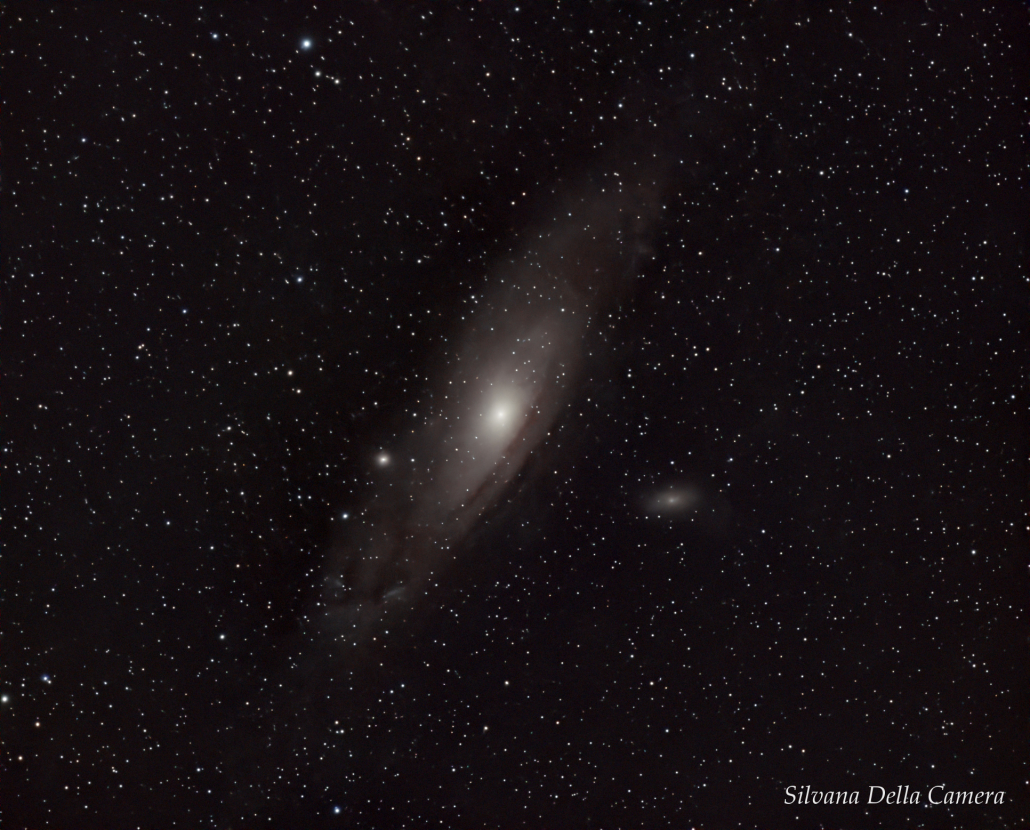
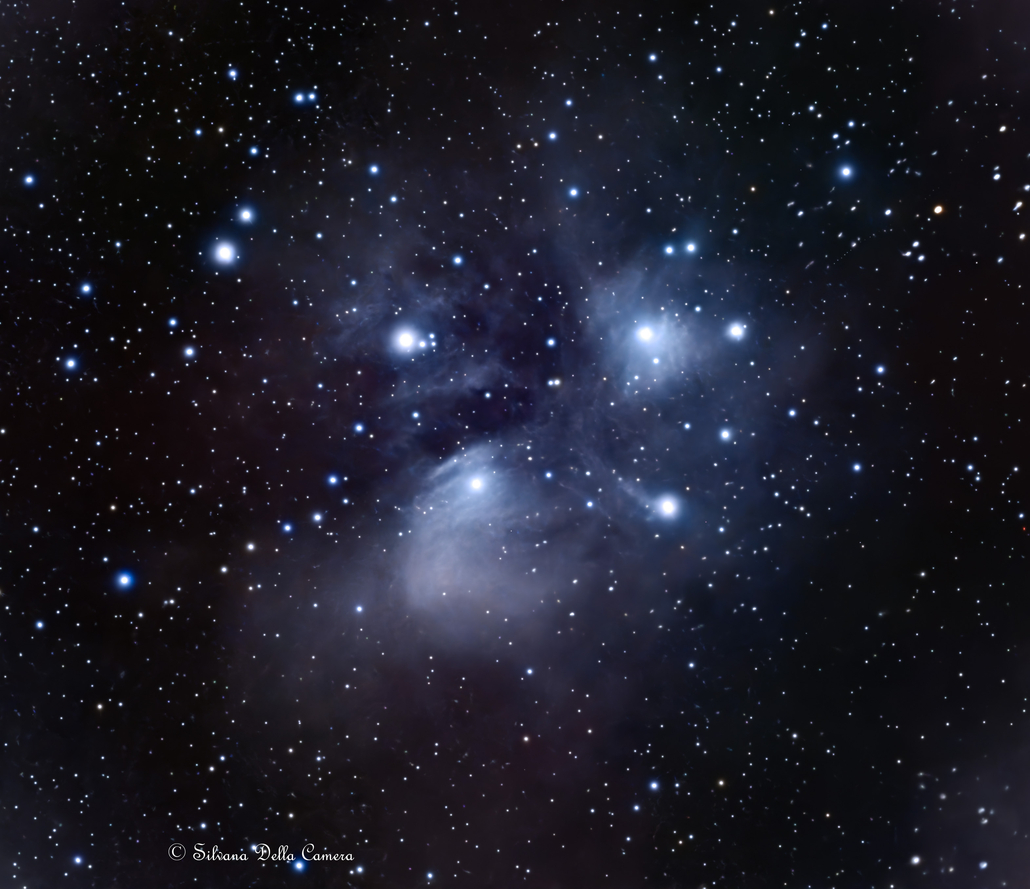
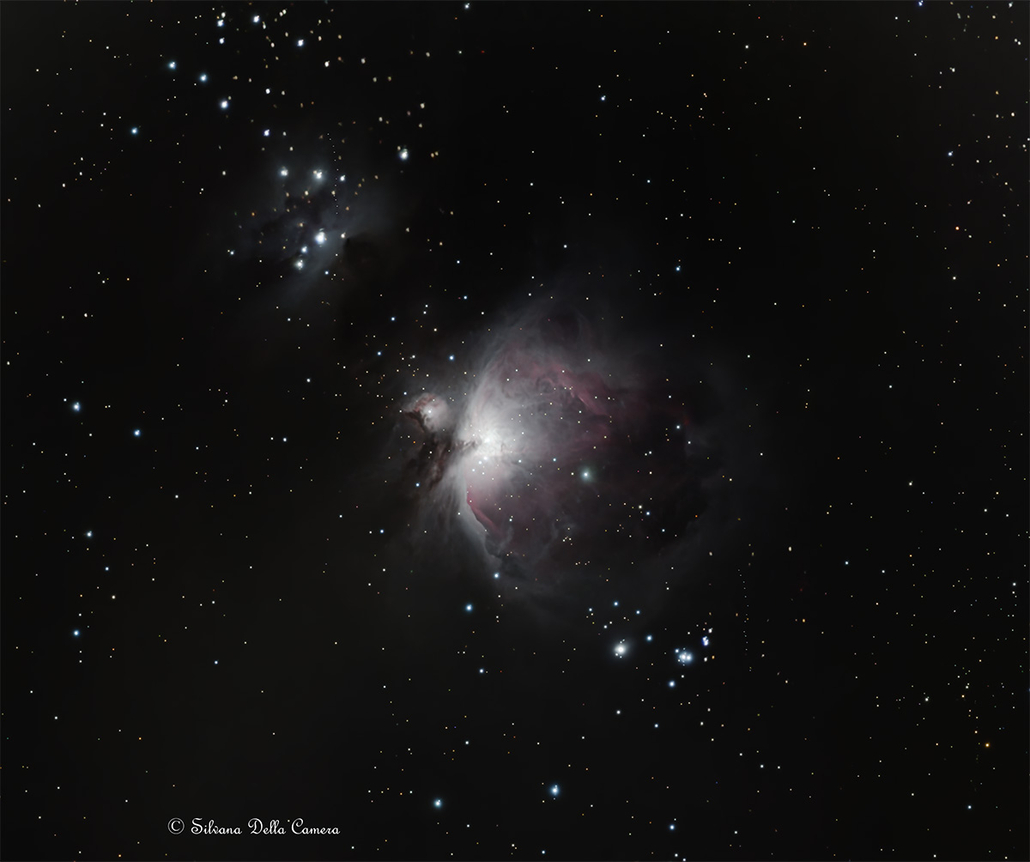
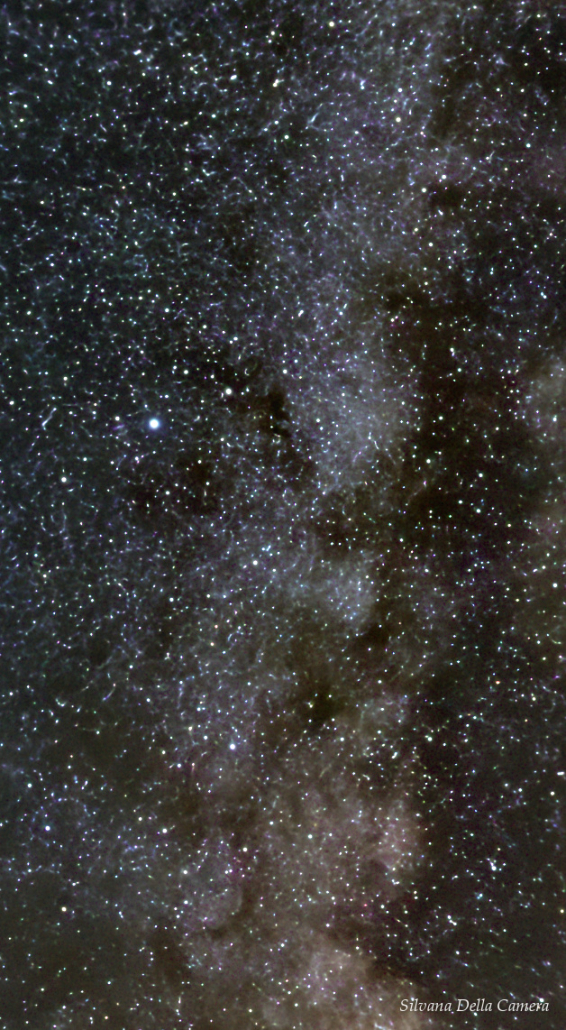
Description
Group Astrophotography Workshop
Astrophotography Workshops are scheduled year-round.
Learn astrophotography on the gear you already own. This is a small-group workshop, not a one-on-one lesson and not a wide-angle Milky Way shoot. You will leave knowing how to focus at night, and capture star fields you can stack later — using a telephoto lens, a solid tripod, and an intervalometer. Using Stellarium Plus, SkySafari, or other similar astronomy apps to locate a Messier object to photograph. The technique you learn can be applied to comets, too!
No tracker required. No new lens required. The instructor demonstrates each step, then you run it on your own camera. The class is built around the three things that ruin most first nights: soft focus, a shutter that is too long, and a tripod that moves.
What you will do
- Set up a DSLR or mirrorless camera for night shooting: RAW, manual mode, live view focus.
- Focus on a star until it is a point, not a fuzzy blob, and lock that focus.
- Shoot a sharp star photo with an 85mm, 135mm, or 70–200mm lens.
- Use the exposure limit for your focal length so stars stay points.
- Run an intervalometer sequence for stacking: Pleiades, Andromeda, Orion, Lagoon Nebula, or the best target up that night.
- Review frames in the field and fix problems before you pack up.
Who it is for
You already have a camera, a sturdy tripod, and an intervalometer or a camera with a built-in interval timer. Your lens is an 85mm, a 135mm, or a 70–200mm. You want a practical first night with other beginners, not a lecture on mounts and polar alignment.
It is a poor fit if you want dramatic landscape Milky Way shots. Those need a wider lens. Check out this workshop instead.
What to bring
- DSLR or mirrorless camera that shoots RAW and has high ISO capability.
- 85mm f/1.8 or faster, a 135mm f/2.8 or faster, or a 70–200mm f/2.8 lens
- Lens cap and lens hood.
- Sturdy tripod and a head that locks – no travel tripods
- Shutter release that locks, intervalometer, or a body with a built-in interval timer
- Fully charged camera batteries.
- Memory card with space for several hundred RAW files
- Dew heater is optional but recommended. This is an example of a power bank to use with it.
- Knowledge of how to access your camera’s manual settings, ISO, white balance, and shutter speed.
- Red flashlight (to be used if necessary while shooting).
- Flashlight (to help navigate to shooting location in the dark).
- Bug spray and a hat (during warm temperatures)
- Recommended: A collapsible chair, snacks, and water. A Hoodman or 3mm or 5mm jeweler’s loupe.
- Make sure to dress in layers and wear comfortable walking shoes.
How the session runs
About 3 hours, small group. The instructor demonstrates setup and focus once on a shared target, then each person repeats it on their own camera. You review a test frame at 100% before the intervalometer run starts. You leave with a settings card for your focal length and a shot list for your next solo night.
Group size stays small on purpose; the instructor needs time to check frames with each person.
Choice of just the shoot or shoot plus 2.5-3 hour post-processing session (online). The online session is recorded.
Book the group workshop if you want stackable star fields from the telephoto lens already on your camera, learned alongside a small class.
Camera, lens and tripod rental is available.
FAQ
Do I need a star tracker?
No. The workshop is untracked. You shoot short frames and stack them. A tracker is a later upgrade, not a requirement.
Will this work with a crop-sensor camera?
Yes.
Can I photograph the Milky Way?
Not as a wide landscape. At 85–200mm, you photograph sections of sky, clusters, and bright galaxies.
How big is the group?
Small. Each person works on their own camera after a shared demonstration, and the instructor checks focus and test frames individually.
What if it is cloudy?
Star sequences need clear sky, so we reschedule if the forecast is overcast.
I don’t have those lenses, is that a problem?
The listed lenses are ideal for this. Contact me and we can determine if any of your lenses are appropriate.
Once registered for the workshop, you will be notified with the details on when and where to meet.
Offline Payments
Astrophotography
Group Workshop
As I am no longer able to absorb their ever-increasing fees, I regretfully have to pass them on to you. A 4% convenience fee has been added to the workshop tuition for credit card payments.








Reviews
There are no reviews yet.